
Choosing the right dentist for dental implants changes both the process and the outcome. If you are typing dentist dental implants near me into a search bar, you want clear, trustworthy info so you can pick a skilled team. This article explains what implants are, the main treatment types, what to check when you search, the step-by-step process, common risks, costs, and how to prepare for a consultation. Read on to make a smart, safe choice for a long-lasting smile.
What Are Dental Implants?
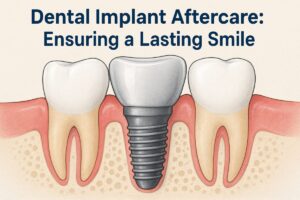
Dental implants are artificial tooth roots made from titanium or zirconia. A typical implant has three parts: the implant post placed in bone, an abutment that connects the post to the visible tooth, and the crown (the tooth you see). Implants beat bridges or dentures for stability, bone preservation, and a natural look. They let you chew, speak, and smile like natural teeth while preventing bone loss over time.
Common Types of Implant Treatments
Single-tooth implant
A single-tooth implant replaces one missing tooth. It’s used when a single tooth is lost, but the surrounding teeth are healthy. Timeline: consultation and imaging, implant placement, healing for a few months, then a final crown. Most patients return to normal activity quickly, and the crown matches the surrounding teeth.
Multiple implants and implant-supported bridges
When two or more teeth are missing in a row, implants can support a bridge instead of a removable denture. This keeps healthy teeth intact and restores strong chewing. Multiple implants spread bite force evenly and can last decades with good care.
Full-arch solutions / Teeth-in-a-Day (All-on-4 style)
Full-arch treatments restore an entire upper or lower set of teeth using several implants. Immediate-load options (often called Teeth-in-a-Day) provide fixed temporary teeth the same day as surgery. These are ideal for people with many failing teeth or loose dentures who want quicker smile restoration.
Key Factors When Searching "dentist dental implants near me."
Training, credentials, and experience
Look for prosthodontists, oral surgeons, or dentists with fellowship training and many years placing implants. Board certifications, teaching roles, and published work are strong signs of expertise. Ask how many similar cases the doctor has done.
Technology and digital workflow
CBCT (3D) scans, computer-guided planning, and intraoral scanners improve accuracy and safety. In-house labs and digital design let teams make and adjust restorations faster. These tools reduce surprises and speed recovery.
Comfort, sedation options, and patient care
Ask about sedation choices (oral, IV, nitrous), local anesthesia techniques, and how pain is managed after surgery. Good practices offer clear post-op plans and follow-up calls or visits for healing checks. Patient care is a top priority.
Before/after results and patient reviews
Review real cases with before/after photos and long-term follow-up. Patient reviews reveal how a team handles comfort, complications, and overall satisfaction. Look for consistency in outcomes.
The Implant Treatment Process: Step-by-Step
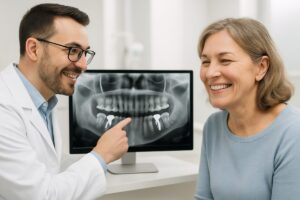
A typical path begins with a consult: health history, exam, and 3D imaging to plan placement. Next is surgical placement, often with a surgical guide. Some cases get a temporary fixed tooth that day; others need a healing period of 2–4 months. After osseointegration (bone bonding), the abutment and final crown or bridge are placed. Expect follow-up visits, hygiene checks, and at-home care instructions at each stage.
Bone Grafting, Healing Aids, and When Extra Care Is Needed
If the bone is thin or missing, grafting may be required. Techniques such as S.M.A.R.T. bone grafting and PRGF (plasma-rich growth factors) accelerate healing and improve outcomes. Piezosurgery uses ultrasonic tools for gentler bone work. Sinus lifts or staged grafts are common when the upper jaw lacks height for implants.
Risks, Success Rates, and Alternatives
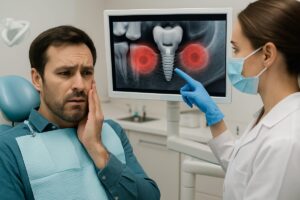
Modern implants have high success rates—commonly 95%+ over many years—when placed by experienced teams. Risks include infection, nerve irritation, or implant failure, but careful planning and guided surgery cut those risks. Alternatives include fixed bridges and removable dentures; these may suit patients who cannot have implants for medical or financial reasons.
Costs and Paying for Dental Implants
Costs depend on the number of implants, grafting needs, implant materials, lab work, and whether same-day teeth are used. Insurance may cover part of the restoration, but it rarely covers implants fully. Many practices offer financing or payment plans. Compare true value: ask for a full breakdown (surgery, prosthetic, follow-ups) rather than choosing only by price.
How to Use the Phrase "dentist dental implants near me" Effectively
When searching, add terms like CBCT, guided surgery, Teeth-in-a-Day, or in-house lab to find advanced teams. Check credentials, sample cases, and patient reviews. Prepare a short phone question list: training, number of similar cases, sedation options, estimated timeline, and total cost.
Why Consider Advanced Implant Dentistry & Oral Restoration
Advanced Implant Dentistry & Oral Restoration has over 30 years serving the New York area with a focus on full-arch and complex cases. The practice blends surgical precision and prosthodontic artistry with a fully digital workflow. They use CBCT, computer-guided planning, an in-house lab, Teeth-in-a-Day protocols, and S.M.A.R.T. grafting to deliver predictable, minimally invasive results.
Meet the Experts (Short Notes)
Dr. Michael Klein — Prosthodontist and implant pioneer with decades of research, teaching, and clinical innovation. Known for guided surgery development and prosthetic expertise. Dr. Allon Waltuch — Fellowship-trained implant surgeon with an aesthetic focus and digital planning skills. Emphasizes comfort, clear communication, and natural outcomes.
Frequently Asked Questions
Q: Will implant surgery hurt?
A: Most patients report controlled discomfort, not severe pain; sedation and modern techniques keep patients comfortable.
Q: How long is the recovery?
A: Initial recovery is a few days to two weeks; full bone healing usually takes 2–4 months, depending on the case.
Q: How long do implants last?
A: With good care, implants often last decades; crowns may need replacement over time.
Q: Is there an age limit?
A: No strict age limit. Candidates must have good overall health and enough bone; older adults often do well.
Q: What should I bring to my first consult?
A: Bring medical history, a list of medications, previous dental x-rays if available, and questions about experience and costs.
Next Steps: Book a Consultation
Prepare questions about training, technology, timelines, sedation, and total cost. Bring your medical info and any recent dental images. Try searching dentist dental implants near me or contact the practice directly to schedule a personalized evaluation and get a clear plan for restoring your smile.