Tooth inplants can restore missing teeth so you chew, speak, and smile with confidence. This article explains what tooth inplants are, the step-by-step procedure, what affects cost, benefits and risks, how to pick a provider, and the next steps to schedule a personalized plan.
What Are Tooth Inplants?
Tooth inplants are artificial tooth roots—usually metal or ceramic posts—placed into the jaw to hold a crown, bridge, or full-arch prosthesis. The term "tooth inplants" is a common misspelling of dental implants, but it refers to the same durable, bone-preserving solution that replaces missing teeth with natural-looking restorations.
Common types of tooth inplants
- Single-tooth implants: replace one missing tooth with a crown on an implant.
- Implant-supported bridges: replace several adjacent teeth using two or more implants to anchor a bridge.
- Full-arch (Teeth-in-a-Day): replace a whole upper or lower row of teeth with a fixed prosthesis supported by multiple implants.
The Tooth Inplants Procedure: Step-by-Step
Consultation & digital planning
Your provider will review medical history, take a CBCT scan for a 3D view of bone and nerves, and capture digital impressions. Digital planning lets the team map ideal implant positions and predict outcomes, which reduces surprises during surgery.
Surgery & guided placement
Guided implant placement uses a 3D-printed surgical guide to place implants at the exact angle and depth planned. Surgery is often done with local anesthesia plus sedation options for comfort. Most single-arch procedures take one to a few hours depending on complexity.
Restoration & healing timeline
After placement, implants need time to integrate with bone (osseointegration), typically 3–6 months. Temporary teeth may be provided same day in many cases. Once healed, an abutment and final crown or prosthesis are attached. Expect mild swelling and discomfort for a few days and routine follow-up visits.
Cost Of Tooth Inplants: What Affects Price
Major cost drivers include number of implants, need for bone grafting or sinus lift, implant material (titanium vs zirconia), lab fees for custom restorations, sedation choice, and provider experience. Typical ranges vary widely—single-tooth implant restorations can range from a few thousand dollars to more depending on region and complexity. Full-arch solutions cost more but can be financed. Dental insurance may cover parts of the restoration; many practices offer financing and payment plans.
Benefits & Risks Of Tooth Inplants
Benefits: improved chewing and speech, preservation of jawbone, long lifespan, and a natural appearance. Risks: surgical complications, infection, implant failure, and need for occasional maintenance. Thorough planning and experienced providers lower these risks.
How To Choose A Provider For Tooth Inplants
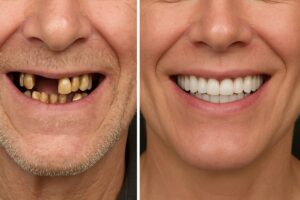
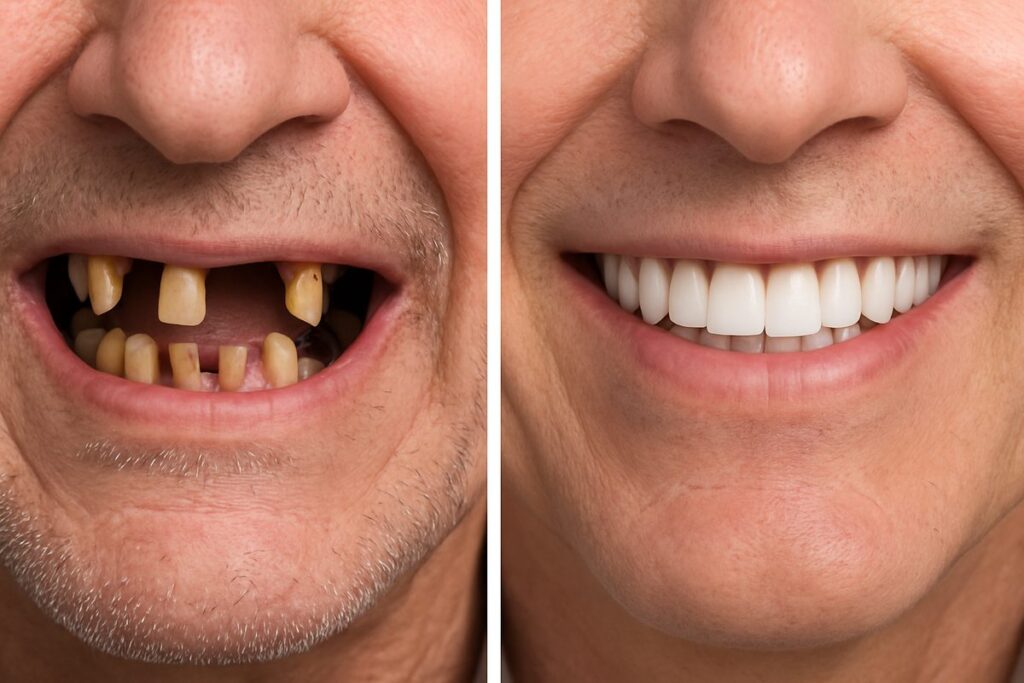
Look for a prosthodontist or fellowship-trained implant surgeon, board certifications, and published case results. Ask to see before-and-after photos and patient reviews. Confirm the practice uses CBCT, computer-guided surgery, and whether they have an in-house lab or same-day options.
Why Advanced Implant Dentistry & Oral Restoration For Tooth Inplants
Advanced Implant Dentistry & Oral Restoration brings 30+ years of implant expertise, computer-guided implant surgery, an in-house lab, and a Teeth-in-a-Day protocol. Their S.M.A.R.T.™ grafting, PRGF healing support, and high-tech tools improve precision and recovery. Dr. Michael Klein and Dr. Allon Waltuch combine prosthodontic artistry and fellowship-trained surgical skill to handle routine and complex cases with predictable results.
To schedule a consult, call or request an appointment online. Bring your medical history and any dental insurance information. Ask about financing, payment plans, and what to expect at each visit. Contact the office to discuss a personalized tooth inplants plan and get clear pricing and next steps for restoring your smile.